
Concrete Driveways in the Lower Mainland
New and replacement concrete driveways planned around drainage, access, vehicle use, and the surrounding property.
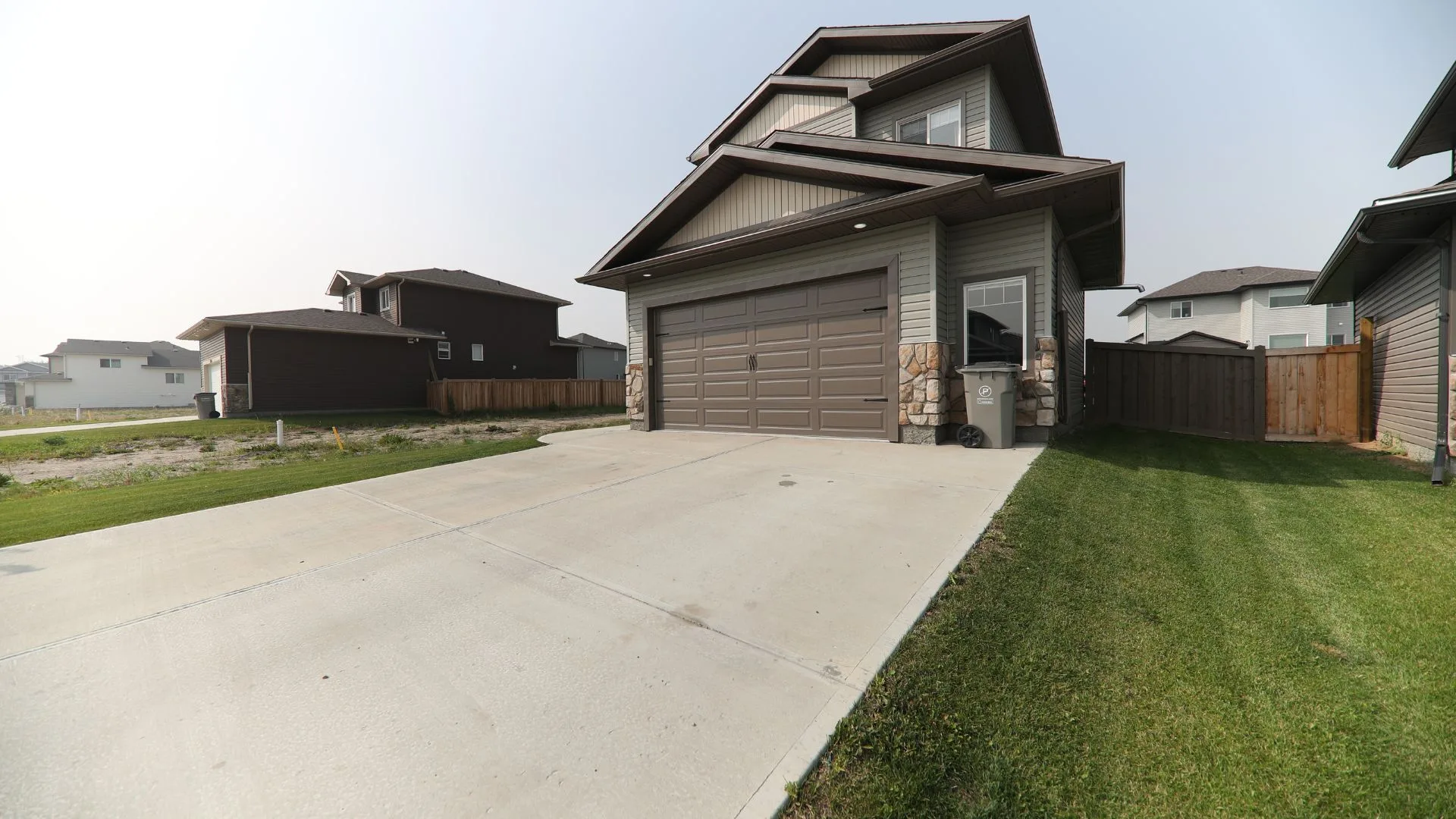
What belongs in the scope
A dependable driveway starts below the finished surface. The scope should account for removal of existing material, subgrade condition, granular base, drainage direction, transitions at the garage and street, reinforcement, concrete thickness, joints, finish, and curing protection. Vehicle type and turning movements also affect how the slab should be planned.
Plan the site before the pour
Before pricing, identify soft areas, settlement, tree roots, utility covers, boulevard or curb work, downspout discharge, and the route concrete trucks or pumps can use. If the driveway access is new, widened, or connected to municipal property, confirm local permit and engineering requirements before construction.
Concrete Driveways planning questions
Can a concrete driveway be poured over an old driveway?
The existing surface and base must be assessed first. Failed, moving, or poorly drained material normally needs removal so the new driveway is supported by a stable, compacted base.
Which finish works for a driveway?
Broom and exposed-aggregate finishes are common because they provide texture. The right choice depends on appearance, slope, winter traction, maintenance expectations, and adjacent surfaces.
How should driveway drainage be handled?
The site should be graded so water moves away from buildings and does not create a problem for neighbouring property or the street. Drainage details belong in the approved scope before forms are set.
Plan your concrete project
Tell us what you are planning, where the work is located, and the best way to reach you.
Request a quote